石川県の南部に位置する山中温泉をご存知だろうか。福井県との県境に位置する、石川県の最南部にある温泉だ。地元の目線で言うと、石川県には数多くの温泉があるけれども、この山中温泉の泉質は最も良い。一方で、金沢から非常に遠いことが問題だ。もっと近ければ通うのに、と思うが、その距離ゆえに人里離れた手つかずの文化と自然が残っているとも言えるだろう。
山中温泉は石川県加賀市、鶴仙渓に沿う石川県の山間の温泉地だ。開湯は奈良時代と伝わり、無色透明の硫酸塩泉が肌にやさしい。渓谷の遊歩道からは、こおろぎ橋・あやとりはし・黒谷橋を結んで四季の景観を楽しめる。中心には総湯「菊の湯」があり、共同浴場文化が残る。山中漆器の産地としても知られ、実演や工房見学ができる。加賀温泉駅から路線バスで約30分、金沢からは車で約1時間。山中座や芭蕉の館では文化資料に触れられ、木地ろくろの実演や拭き漆体験も可能。川沿いの足湯や朝の散歩も心地よく、冬は雪見風呂、秋は紅葉が見頃。加賀温泉郷や那谷寺への拠点にもなる。
この山中温泉の古い資料を集めていたら、『山中温泉誌』を手にしたので、ここに原文と現代語訳(要約版)を掲載しておく。山中温泉を深掘りしようと思ったのは、金沢とどこか近いものを感じたため。文化を大切にする姿勢、その文化の深さ、歴史。良い場所だ。


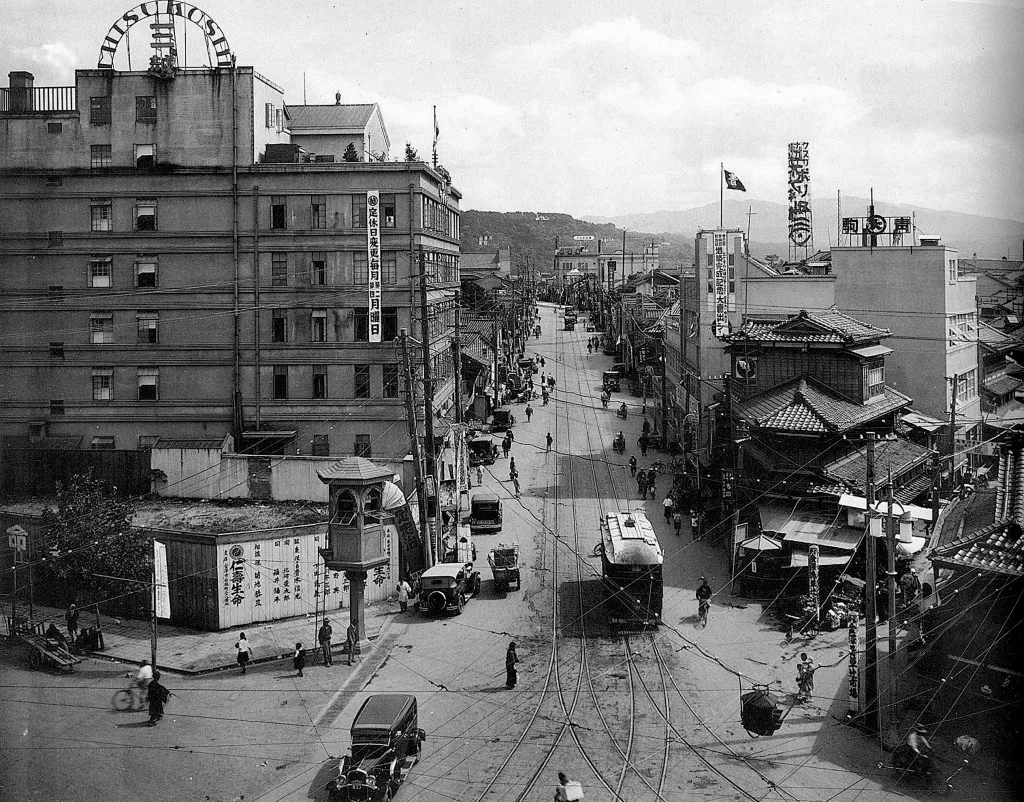
『山中温泉史』に掲載されている写真


山中温泉誌(原文をなるべく再現)
山中温泉は加賀国江沼郡の西南に在りて大聖寺川に瀕し、川を隔て黒谷山に対す。地勢崇高にして海抜八十七米、気候は盛暑も八十五度(華氏)を超えず、極寒も四十八度を下らず。降雪の量二尺に満つること稀なり。
北陸線鉄道の大聖寺および動橋を経て各二里半、人車自由にして道路は平坦なり。殊に大聖寺(途中下車)よりは馬車鉄道の設けありて、日々数十回の往復をなし、浴客の来るに便せり。
当温泉の由来は極めて遠く、今を去ること千二百余年前、聖武天皇の御宇に、行基が瓢然として北国行脚の途に就きし折、偶(たまたま)薬師如来の霊告を得てこれを発見す。岩石を穿ち一個の浴槽を設け、自ら出地に堂宇を建て薬師仏を安置せり。
天正十一年、勅ありて一山一寺を建てらる。勅額の龍をもってその一つに充てられ、のち路王山関分寺と称すといふ。
しかるに一旦中絶に帰し、荒廃年を経てさらに世に知られざりしが、治承年間、高倉宮の御代、江沼郡塚谷保を領せし長谷部兵衛尉信連、此の附近にて鷹狩りの折、白鷺の翼の傷を川に浸すを見て霊泉の湧出することを知り、臣下十二人に命じて山地を開拓し、浴湯を設けそめたるより、再び世に顕れ、以来七百余年の星霜を経て今日に至るという。
故に今に至るまで浴室に長氏(長谷部氏、のち姓を長と改め金沢に住し華族に列す)の九星の徴号を附して記念とせり。
また文明五年、(蓮如)上人越前藤島に留まれる時、此地に入浴し、所謂『御文章』なる「一帖目第十五通」を作りしこと文献に見え、是によっても温泉の名は古より世に喧伝されたるを知るべし。
浴室は村の中央にあり、一を菊の湯といい、一を梅の湯と称す。いずれも結構宏大、石を畳みて温泉を貯ふ。近来さらに松の湯なる一室を設け、造り替え善美を尽くして貴賓・住客の浴に供せり。
しかして三浴室に続く宿舎の数は総て二十三、いずれも居室を清め器具を美にし、客の嗜好に投ぜんことを努む。
此地は温泉の秀抜卓絶なるのみならず、交通の至便なるを以て、全国各地よりの来浴者踵を接し、四時繁栄を極めて恰も小都市の観を呈す。戸数七百、人口五千余を有し、商家を列ね工舗軒を並ぶ。官署あり、校あり、祠あり、神社仏閣等多し。
物産として称すべきものは漆器・陶器を第一とす。されば宿舎を出でて村内を逍遥せんか、到る処その業の製造に従事する家多く、店頭に陳列して顧客の撰むに任すを見る。
山中の地たるや東西南の三面に高嶺を負ひ、大聖寺川の清流中を貫き、風光極めて明媚にして、時好前奇として詩料ならざるはなし。大窪詩仮(※大窪詩仏の誤記か)も此地に遊び、道明淵・高瀬・桂泉・来石・医王寺・小富士・織橋・味谷を入勝に選す。又別に十勝あり、露王寺林花、水無山崎の猿、来石の彩雲、(燃)橋の驍霜、小富士の暮雪、道明淵の秋月、高瀬の漁火、城趾の霜語、大紅葉、湯屋の煙雨、即ち是なり。
要するに山中の地は一の佳境にして、鮮なる魚類は名産の鮎・鱒・鰻等あり。蔬菜豊富なる中にも蕗(ふき)・蕨(わらび)の類は最も賞玩すべし。されば浴後散策の途、旗亭に一肴を求めて体を慰むるも可なり。
あるいは山笑い水媚ぶ境に自然を伴侶として文墨に親しむも可なり。あるいは一書を携えて木陰に論を垂るるも可なり。あるいは銃を提げて近郊に小鳥を獲るもまた可なり。
斯くて悠悠自適し病苦を遣り鬱を散ずれば、医師の診して不治の症となす者も、温泉の効験と清秀なる山川の恵みにより、多く癒ゆること少なからず。
土産として指を屈すべきは漆器・陶器のほか、名菓「越の雪」・栗饅頭・片栗麺・『温泉誌』・名所絵葉書等を主なるものとす。以下、医王寺はじめ各名勝の道案内に移らん。
明治38年7月14日印刷
明治38年7月29日發行
明治38年11月8日訂正再販
明治39年6月30日三版發行
明治40年8月22日訂正四版
明治40年9月5日五版發行
明治40年12月6日訂正六版印刷
明治40年12月10日發行
編輯者 大藏一郎 石川縣江沼郡山中村
寫眞銅版製作者 竹田純平 金澤市長町河岸33番地1-2
發行者兼印刷者 竹田勇次 金澤市長町河岸33番地1-2
發行者 中根 雪 石川縣江沼郡山中村
『山中温泉誌』現代語(読みやすい要約)
山中温泉の案内
- 山中温泉は加賀国・江沼郡の南西部、大聖寺川沿いに位置し、対岸に黒谷山が見える。標高は約87m。夏は(華氏で)85度を超えず、冬も48度を下回ることは少ない。積雪が2尺(約60cm)に達するのは稀。
- 交通は北陸線の大聖寺駅・動橋駅からそれぞれ二里半(約10km)。道は平坦で、人力車や馬車鉄道の往復便が多く、湯治客に便利。
由来
- およそ1200年前、聖武天皇の時代に行基が薬師如来のお告げで泉源を見つけ、岩を穿って浴槽を造り、堂を建てて薬師仏を安置したのが始まり。
- その後、天正11年に勅許で寺院が整備され、のちに関分寺と称した。いったん荒廃したが、治承年間に長谷部信連が白鷺が傷を癒やすのを見て再興。以後、およそ700年続く。浴室には記念として長家の「九星」の印を掲げる。
- 文明5年には蓮如上人も入浴し、『御文章』に触れてこの地が世に知られていたことがわかる。
湯と宿
- 村の中央に共同浴場があり、「菊の湯」「梅の湯」と呼ぶ。いずれも広く、石組みの湯槽。近年「松の湯」を新設し、上客向けに整えた。
- 宿は二十三軒。清潔で器具も整い、客の好みに合わせて工夫している。
町の賑わい・産業
- 温泉の良さと交通の良さから全国から客が集まり、四季を通じて賑わう小都市の趣。戸数約700、人口5000余。官公庁や学校、神社仏閣があり、商家や工房が並ぶ。
- 産物は漆器・陶器が名高い。町歩きすれば製作の家が多く、店先に品が並ぶ。
風景・遊び
- 東・西・南を山に囲まれ、大聖寺川が谷を貫く。明るく変化に富む景観で、詩歌に事欠かない。名勝として道明淵・高瀬・桂泉・来石・医王寺・小富士・織橋・味谷など、さらに「十勝」と呼ぶ景観(露王寺の林花、道明淵の秋月、高瀬の漁火、小富士の暮雪、湯屋の煙雨 ほか)を挙げる。
- 名物は鮎・鱒・鰻などの川魚。山菜も豊富。浴後は散策や茶屋での一服、読書、狩猟など思い思いに過ごせる。温泉の効き目と清らかな自然により、重い病も癒えることがあると伝える。
- 土産は漆器・陶器のほか、「越の雪」や栗饅頭、片栗麺、名所絵葉書など。
明治38年7月14日印刷
明治38年7月29日発行
明治38年11月8日訂正再販
明治39年6月30日三版発行
明治40年8月22日訂正四版
明治40年9月5日五版発行
明治40年12月6日訂正六版印刷
明治40年12月10日発行
編集者 大蔵一郎 石川県江沼郡山中村
写真銅版製作者 竹田純平 金沢市長町河岸33番地1-2
発行者兼印刷者 竹田勇次 金沢市長町河岸33番地1-2
発行者 中根 雪 石川県江沼郡山中村
Yamanaka Onsen-shi (1905)
Yamanaka Onsen lies in the south-west of Enuma District in the old Kaga Province, on the banks of the Daishōji River, facing Mount Kurotani across the water. The terrain is elevated, at 87 metres above sea level. In the height of summer the temperature does not exceed 85 degrees Fahrenheit, and in the depths of winter it does not fall below 48 degrees. Snowfall rarely amounts to as much as two shaku.
It is two and a half ri from both Daishōji and Iburihashi on the Hokuriku Railway. People and handcarts travel freely and the roads are level. In particular, from Daishōji (where one alights en route) a horse tramway operates, making dozens of return runs daily for the convenience of bathers.
The origins of this hot spring are exceedingly ancient. More than twelve hundred years ago, in the reign of Emperor Shōmu, the monk Gyōki happened to be journeying through the northern provinces. Receiving a divine message from the Medicine Buddha (Yakushi Nyorai), he discovered the spring, bored a bath from the rock, and himself erected a hall on the site to enshrine the Buddha.
In 1583 an imperial command established a monastic complex; a dragon from the imperial plaque was assigned to one of its buildings, and it later came to be called Rōōzan Kanbun-ji.
Subsequently the establishment fell into abeyance and, after years of decay, was almost forgotten. In the Jishō era, in the time of Emperor Takakura, Hasebe Hyōe-no-jō Nobutsura, who held Tsukadani Manor in Enuma District, was out hawking in the vicinity when he saw a white heron dip its injured wing into the river. Thus he perceived that a miraculous spring issued there. He ordered twelve retainers to clear the mountain land and construct baths. So the hot spring reappeared, and more than seven hundred years have since passed to the present day.
For this reason, to this day the bathhouse bears the nine-star device of the Chō family (formerly the Hasebe; later they changed their surname to Chō, settled in Kanazawa, and were raised to the peerage) as a memorial.
Furthermore, in 1473, when the Reverend Rennyo was residing at Fujishima in Echizen, he bathed here and composed the “First Book, Letter Fifteen” of the work known as the Ofumi (Letters). From this documentary evidence we may know that the fame of the spa has long been widely proclaimed.
The bathhouses stand in the centre of the village, one called Kiku-no-Yu (“Chrysanthemum Bath”) and another Ume-no-Yu (“Plum Bath”). Both are handsomely built, with stone-paved tanks filled from the spring. In recent times a further chamber, Matsu-no-Yu (“Pine Bath”), has been added, rebuilt with every refinement for the use of distinguished guests and residents.
There are twenty-three lodging houses attached to the three bathhouses. All strive to keep their rooms spotless and their furnishings elegant, to suit the tastes of their guests.
This place is not only exceptional for the quality of its waters; thanks to the convenience of access, bathers from all parts of the country arrive in such numbers that prosperity reigns in every season and the settlement has the aspect of a small town. There are some seven hundred households and over five thousand inhabitants, with lines of shops and workshops. There are official offices, a school, shrines, and many temples.
Of local products, lacquerware and pottery are foremost. Thus, if you stroll through the village beyond your lodgings, you will see many households engaged in their manufacture, with wares displayed at their shopfronts for customers to choose.
Yamanaka is bordered by high peaks on three sides—east, south and west—while the clear stream of the Daishōji River runs through its midst. The scenery is singularly charming and affords inexhaustible matter for poetry. Ōkubo Shibutsu also visited and chose as beauty spots Dōmyō-buchi, Takase, Keisen, Raiishi, Iō-ji, Ko-Fuji, Ori-bashi and Ajitani. There are, besides, the “Ten Noted Views”: the temple woods in blossom; the monkeys of Mizunashi-Yamazaki; the iridescent clouds at Raiishi; the keen frosts at …-bashi; the evening snow on Ko-Fuji; the autumn moon over Dōmyō-buchi; the fishing lights at Takase; the frosty tales of the old castle site; the great maples; and the misty rain over the bathhouses.
In short, Yamanaka is a delightful region. Among its fresh fish, the famed ayu sweetfish, trout and eel stand out. Of the plentiful vegetables, butterbur and bracken are especially prized. After your bath, you may find refreshment by seeking a dish at a teahouse or inn along your walk.
Or, in this landscape where the mountains smile and the waters entice, you may take nature as your companion and enjoy letters and the brush; or carry a book and discourse beneath the shade; or shoulder a gun and take small birds in the near fields.
Thus living at ease, casting off ailments and dispelling melancholy, even those whom physicians have pronounced incurable often recover, thanks both to the efficacy of the hot springs and to the grace of these pure mountains and streams.
As for souvenirs worth counting on one’s fingers, besides lacquerware and pottery there are the celebrated sweet “Koshi no Yuki”, chestnut buns, katakuri noodles, the booklet “Onsen-shi”, and picture postcards of the sights. We now proceed to directions for the various noted places, beginning with Iō-ji.